write more .....grow more...inspire more...
India–EU Trade Deal: Mother of All Deals or Overhyped Promise?
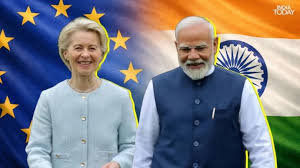
The India–EU trade agreement is being called the "mother of all deals" since it promises growth and global power. But there are hard questions about jobs, tariffs, and long-term economic risks which have not been talked about in the news. It's what really matters.
1/28/20263 min read
Why This Deal Matters
India and the EU together account for roughly 25 % of global GDP and about one-third of worldwide trade, making this agreement one of the most consequential trade pacts in recent memory.
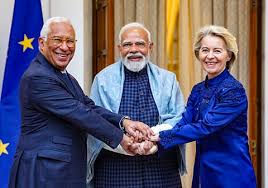
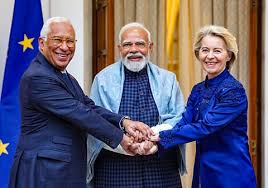
Negotiations, which began in the mid-2000s and saw multiple starts and stops, were revived in 2022 and finally brought to a close at a high-profile summit in New Delhi in January 2026. Indian leaders — including Prime Minister Narendra Modi — have dubbed the deal the “mother of all trade deals.”
1. Widespread Tariff Reductions
A comprehensive reduction or elimination of tariffs on goods traded between India and the EU forms the core of the free trade agreement:
EU tariffs on Indian exports will be removed or significantly reduced on over 90% of tariff lines (by value).
Indian tariffs on imports from Europe are also planned to be lowered for a comparable proportion of goods.
These cuts cover important industries where India has significant export potential, including textiles, leather, jewelry, chemicals, and engineering products.
2. Automobile Market Opening
One of the most talked-about provisions relates to industrial goods — especially automobiles:
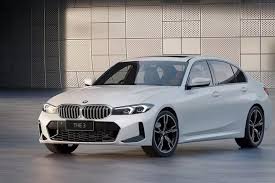
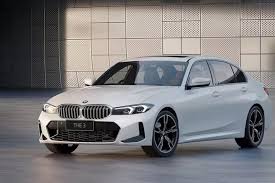
Duties on imported European cars into India, historically as high as ~110 %, will be phased down significantly over time (initial cuts to ~40 % with eventual reductions nearer to ~10%).
This is expected to benefit European manufacturers (e.g., Mercedes-Benz, BMW, Volkswagen) and diversify India’s auto market.
3. Trade Facilitation, Investment, and Services
In addition to goods, the FTA
liberalizes the transportation, business services, and telecommunications industries.
simplifies investment safeguards and customs processes.
promotes increased capital flows and collaboration in digital services, clean energy, and technology.
4. Sensitive Sector Protection
Even with widespread liberalization, certain areas are still protected:
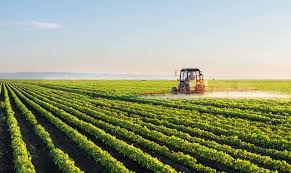
In order to safeguard domestic producers on both sides and prevent political backlash, agriculture and dairy products are mainly left out.
Certain high-end European agricultural exports, like premium cheeses or olive oils, may be admitted under certain conditions.
Conclusion
The India–EU Free Trade Agreement is more than a tariff-cutting exercise: it’s a strategic economic framework that positions both partners for deeper cooperation in goods, services, and technology. As markets adjust and implementation unfolds, companies on both sides are likely to find new opportunities — from Indian textile exporters and automobile producers to European machinery firms and high-end consumer brands.